For many Americans, the sight of Dr. Anthony Fauci testifying before Congress and Robert F. Kennedy Jr. debating lockdown policies feels like a jarring trip back to 2020. Six years after the initial chaos of the global pandemic, the political battle lines remain firmly drawn, suggesting that the societal fractures caused by COVID-19 have never truly healed. Rather than letting the era fade into history, current Republican leadership is bringing old grievances back to center stage, seeking accountability for the scientists and officials they believe misled the public during a time of unprecedented crisis.
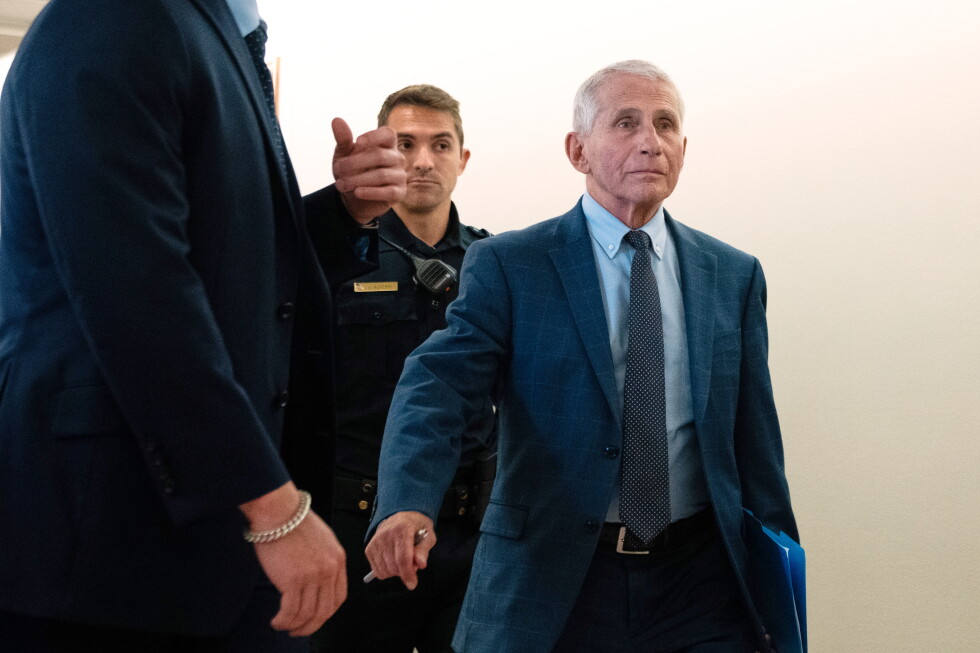
The tension peaked recently when a Senate committee led by Senator Rand Paul subpoenaed the retired immunologist. During his testimony, the 85-year-old Fauci repeatedly invoked his Fifth Amendment rights, claiming that lawmakers were attempting to coerce him into perjury to build a criminal case. This standoff resulted in a stunning vote to hold Fauci in contempt, a move that opens the door for potential Justice Department investigations. Meanwhile, RFK Jr., serving as Health Secretary under President Donald Trump, continues to challenge established medical narratives in high-profile media appearances, questioning vaccine efficacy for children despite guidance from the CDC.
Political analysts suggest this renewed focus is less about discovering new scientific truths and more about exercising newfound power. With Republicans controlling both Congress and the White House, figures who once existed on the fringes of these debates now possess the institutional tools to reshape how history remembers the pandemic. By surfacing private diaries and promoting theories regarding a laboratory leak in China—despite a lack of consensus among global scientists—they are signaling to their base that their skepticism was justified all along.
Democrats have dismissed these proceedings as performative distractions devoid of factual merit, arguing that they serve only to stir up dormant anger for political gain. However, scholars note that for a significant portion of the population, there is still an unmet need for an official accounting of how mandates and restrictions affected their lives. As long as these perceived wrongs go unaddressed in the eyes of their supporters, COVID-19 will likely remain a potent tool in American political warfare rather than a closed chapter of public health history.