President Donald Trump has moved to tighten the economic grip on China by signing an executive order that imposes a 15 percent tariff on imported polysilicon, a critical raw material used in the production of microchips and solar panels. Set to take effect on December 4, the measure is designed to shield domestic manufacturers from what Washington describes as unfair competition. By raising the cost of these imports, the administration hopes to secure U.S. supply chains and bolster national security in the race for dominance over artificial intelligence and green energy technology.
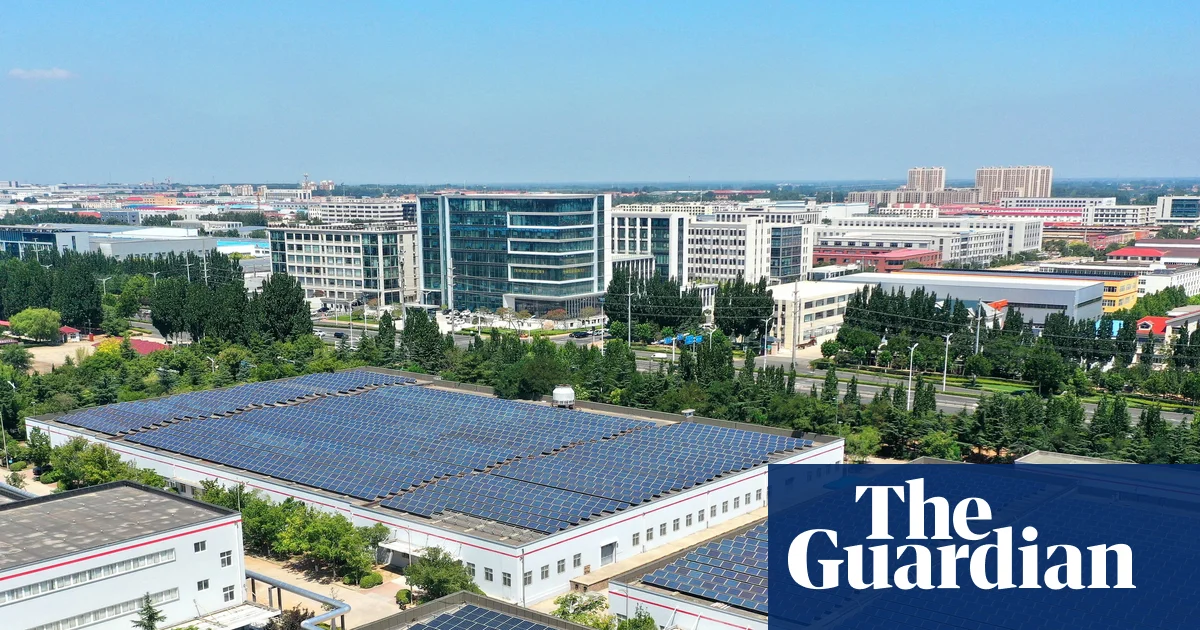
The decision follows long standing complaints from American solar factories that Chinese rivals have flooded the market with artificially cheap panels, backed by heavy government subsidies. To further curb this trend, Trump has established minimum import prices for various stages of production, ranging from pure polysilicon up to finished solar modules. The order also grants the commerce department authority to launch incentive programs for companies that build new production facilities within U.S. borders, signaling a push toward total industrial independence in high tech sectors.
Industry players already operating on American soil have largely welcomed the shift. Representatives from major producers like Corning and Wacker Chemie noted that these protections encourage continued investment in domestic capacity and enhance the resilience of semiconductor networks essential for defense and advanced computing. For these firms, the tariffs represent a strategic pivot away from reliance on overseas suppliers who may be subject to geopolitical instability or predatory pricing strategies.
Beijing was quick to condemn the move, with foreign affairs ministry spokesperson Lin Jian accusing the United States of abusing state power under the guise of national security. Chinese officials argued that such protectionist policies would ultimately harm American consumers and disrupt global trade cycles rather than making the U.S. more competitive. Despite these warnings, analysts suggest that China continues to grow its global footprint in AI hardware and electric vehicles, creating a volatile tug-of-war between two superpowers fighting for control over the building blocks of future technology.